


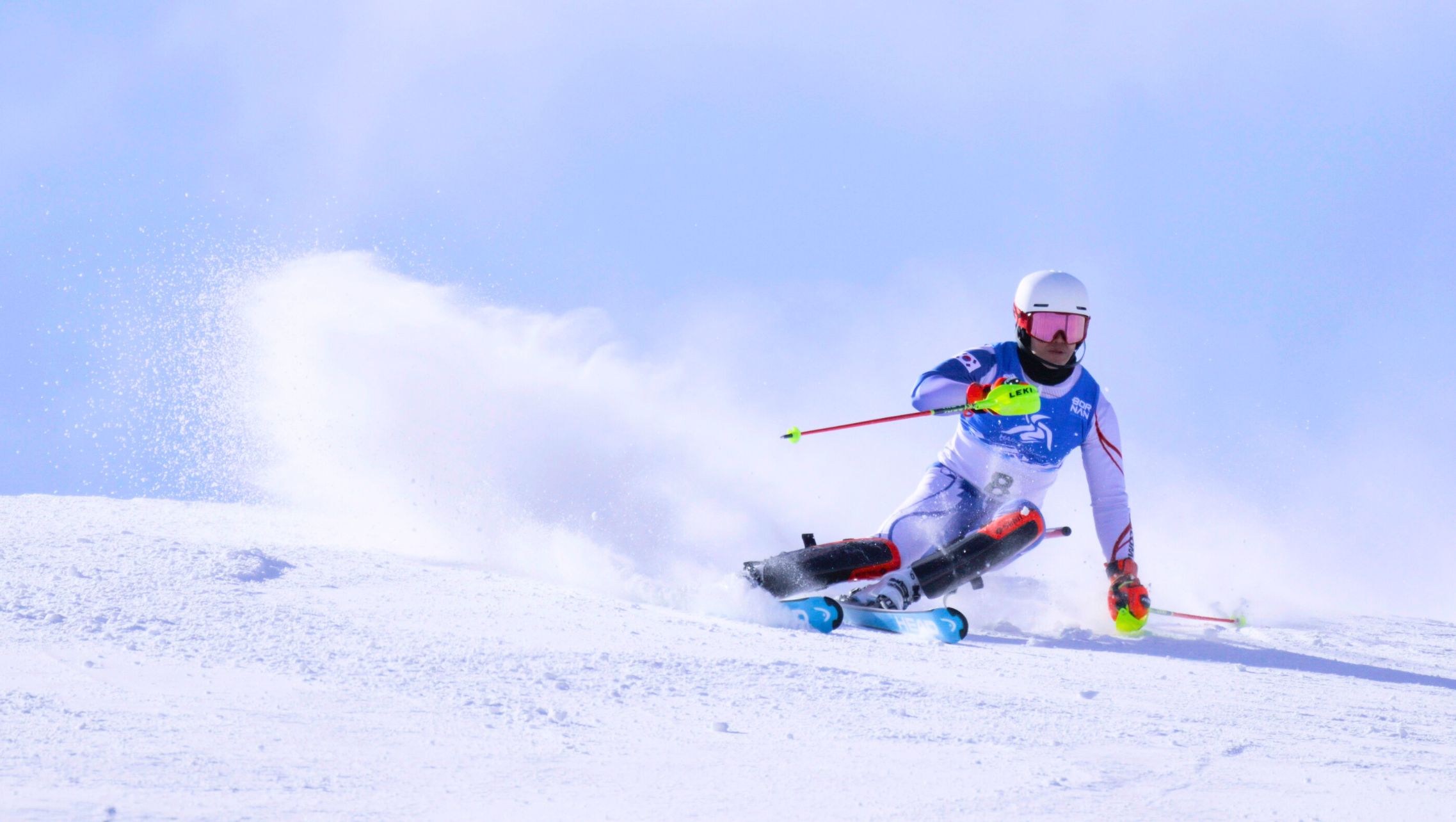
Sensors, high-precision timing and data: the technology that can decide the contest.
In winter sports, you don’t just compete against stopwatches, rivals and extreme conditions. You compete against thousandths, sensors and data. In a scenario where the difference between the podium and elimination is measured in tenths of a point, centimetres or fractions of a second, technology has become a decisive factor that can tip the balance.
Today, competing in the Winter Games is no longer just about sliding faster, jumping higher or turning with greater precision. It is about interpreting data in real time, optimising technical decisions and relying on systems capable of recording, validating and distributing information even in extreme conditions of cold, wind and snow.
At Bornan Sports Technology, we point out that ‘winter disciplines are among the most demanding from a technological point of view’.
‘In these types of sports, minimal margins and extreme conditions mean that any technical, human or measurement deviation can influence a final, a round or a medal’.
Technology that can make a difference in winter sports
- High-precision optical sensors and timing: these are what decide a race in milliseconds. Placed at the start, finish and key points along the course, they detect the athlete’s exact passage with no margin for human error. Two runs may seem identical, but a slight delay on a bend, invisible to the human eye, is definitively recorded by the system. This technology is often key in alpine skiing and can make the difference between continuing to dream of the podium or being left out.
- Tracking chips and intermediate controls: in long events with many participants, technology not only measures times: it organises the race. The chips record every step along the course, manage mass starts and constant overtaking, and prevent minimal differences from being lost in the chaos. This technology is common in cross-country skiing, where a bad reference or an incorrect recording can mean disappearing from the rankings after more than half an hour of effort.
- High-speed cameras and decision support systems: when a tenth of a second separates two athletes, the image is king. Cameras allow landings, rotations and performances to be reviewed with pinpoint accuracy, supporting referees’ decisions. This technology is decisive in snowboarding, both in speed events and style disciplines. A replay can change a score. And a score can change a medal.
- Visual analysis systems synchronised with scoring: here, it is not enough to see the mistake; it must be measured. These systems allow jumps, number of rotations and stability on landing to be analysed, synchronising music, execution and final score. They are key in figure skating. An incomplete rotation or a bad fall is not only noticed: it is recorded.
- Extreme timing for simultaneous finishes: when several athletes cross the line at virtually the same time, a sensor decides in a fraction of a second who goes through and who is eliminated. This technology is critical in speed skating, where a thousandth of a second can separate another round from elimination.
- Route control and safety systems in high mountain environments: in disciplines where risk is at its highest, technology goes beyond timing. It monitors checkpoints, validates routes, and reinforces safety in extreme conditions. This is the case with ski mountaineering. Here, technology not only determines positions: it ensures that the competition can take place safely.

Behind all these disciplines operates the same invisible mechanism: sensors that capture data, systems that process it in real time, and platforms that validate and distribute results instantly to judges, organizers and broadcasters, even in extreme conditions.
As a company specialized in these sports, we are part of this technological revolution, which has already proven its reliability at major international events such as the recent Asian Winter Games Harbin 2025, where more than 1,260 athletes and 11 disciplines relied on a digital ecosystem capable of processing millions of data points in one of the most demanding environments on the calendar.
In 21st century winter sports, technology no longer merely supports: it decides.